Crib mattresses provide a foundational sleep surface designed for safety, support, and comfort in early childhood. This category emphasizes materials, firmness levels, and certifications that influence breathability, moisture management, and spinal alignment for infants. Understanding traits like surface firmness and heat regulation helps caregivers choose age-appropriate, durable options for nursery environments. Key terms include nursery-grade, organic, and non-toxic materials alongside mentions of latex and wool components.
Organic crib mattresses typically prioritize natural materials and chemical-free construction to reduce exposure during sleep. Common features include organic cotton covers, wool or latex cores, and low VOC finishes. These attributes support hypoallergenic properties, temperature regulation, and long-term resilience, making them suitable for sensitive or allergy-prone infants while maintaining structural integrity through daily use.
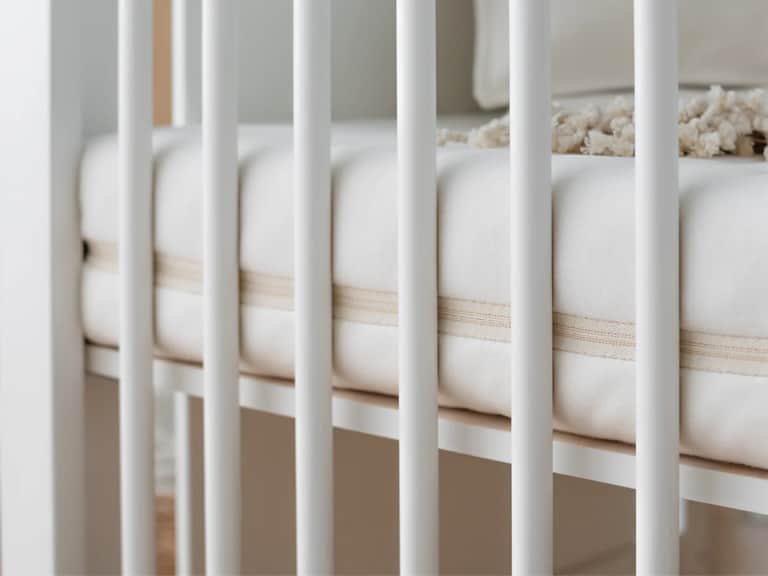
Among notable products, the Obasan Organic Crib Mattress exemplifies an emphasis on natural materials and safe sleep foundations. It often features a latex or organic cotton core with a breathable, softly padded surface, enhancing airflow and comfort. Functional benefits include steady support for growing bodies, easy wipe-clean surfaces, and compatibility with standard crib configurations.
Understanding the role of bedding accessories, including pillows and comfort layers, complements the crib mattress choice. While pillows are generally not recommended for infants, breathable wool layers and moisture-wicking fabrics can contribute to an appropriate sleep environment. This category highlights how layered constructions, fabric choices, and removable covers influence hygiene and temperature control.
For caregivers, evaluating indicators such as mold resistance, washability, and edge stability helps assess long-term usability. Keywords like bedding, latex, nursery, and wool appear across discussions of material science, safety standards, and practical maintenance. The resulting guidance supports informed decisions about infant sleep surfaces that prioritize safety, comfort, and environmental considerations.
 Nursery